

HISPACOOP presents pioneering consumer study on Spain's future Deposit Return Scheme
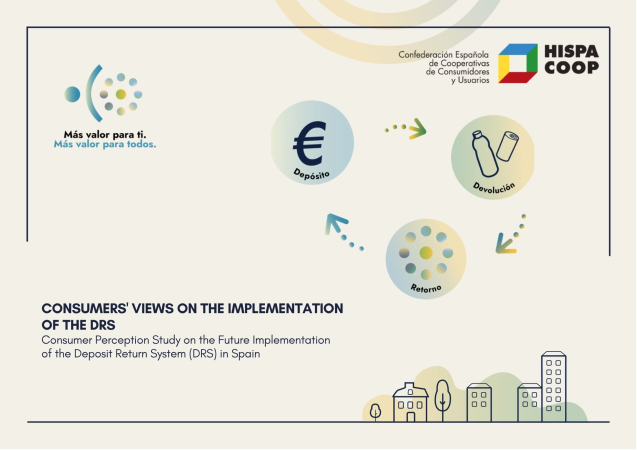
HISPACOOP, Euro Coop's member organisation in Spain, has published the country's first comprehensive study examining consumer attitudes towards the future implementation of a Deposit Return Scheme (DRS), providing timely evidence on public expectations ahead of its rollout.
The publication comes at a key moment for Spain, which is preparing to introduce a Deposit Return Scheme for single-use beverage containers following the country's failure to meet the separate collection targets set by national legislation. The future system will help achieve the objectives of the EU's packaging legislation, which seeks to increase the collection and recycling of beverage packaging and promote a more circular economy across Member States.
The study was presented during the conference "The Implementation of the DRS: A Consumer's Perspective", held in Madrid on 9 June 2026, which gathered representatives from public administrations, consumer organisations, industry, retail, waste management and academia to discuss how the future system can best serve citizens while supporting the transition to a circular economy.
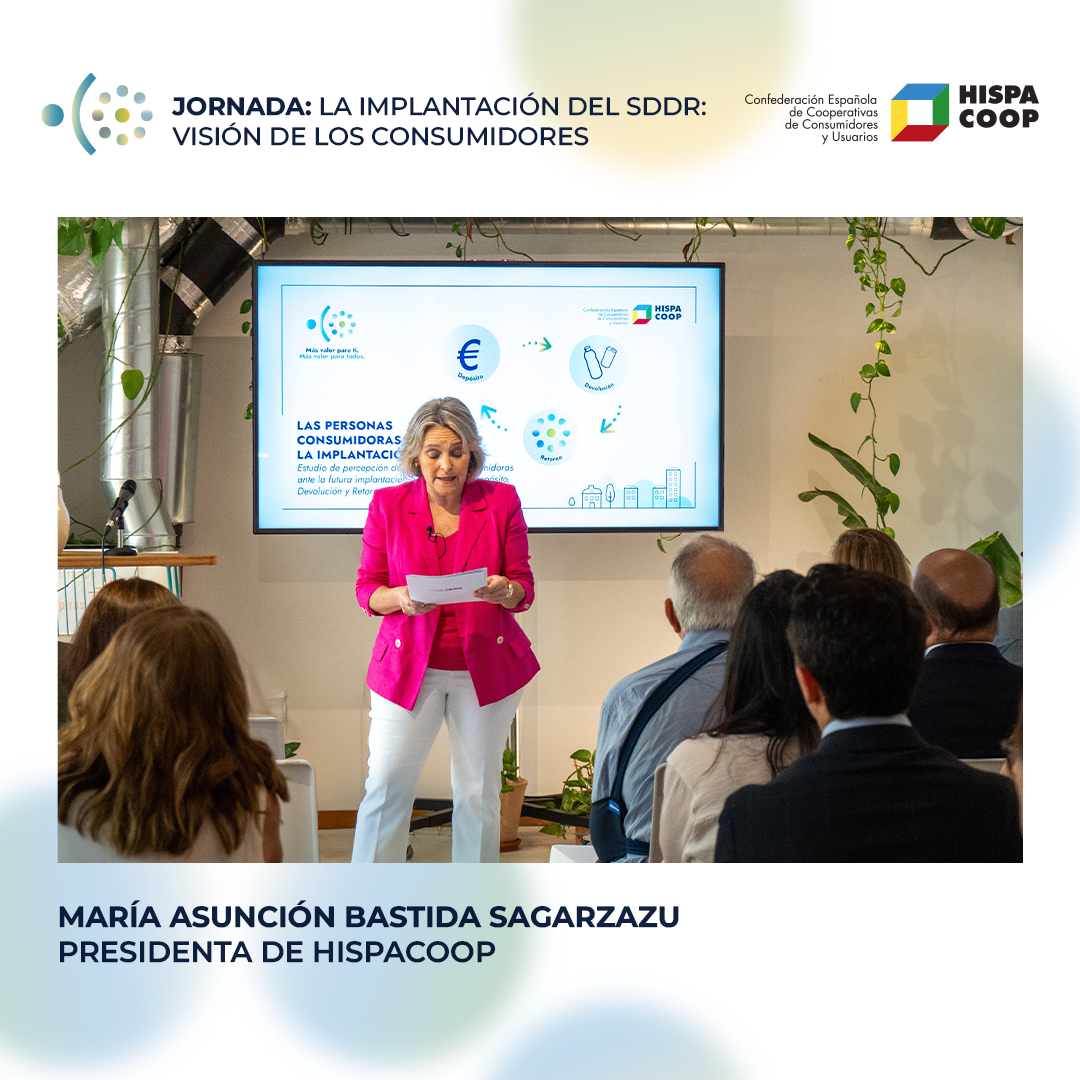 Opening the event, María Asunción Bastida Sagarzazu, President of HISPACOOP and Vice-President of Euro Coop, stressed that consumers must be placed at the centre of the design and implementation of the new system. She emphasised that the scheme must be easy to understand, practical and integrated into citizens' everyday lives, underlining the importance of incorporating consumers' perspectives from the earliest stages of policy design.
The research, based on 1,600 telephone interviews conducted across Spain in May 2026, reveals that Spanish consumers already demonstrate strong recycling habits. 86% of respondents separate plastic, metal, and beverage cartons at home, and 87% regularly use the yellow recycling bin, designed for the collection of these materials. These findings suggest that the future DRS should build upon existing responsible consumer behaviour rather than seek to change it.
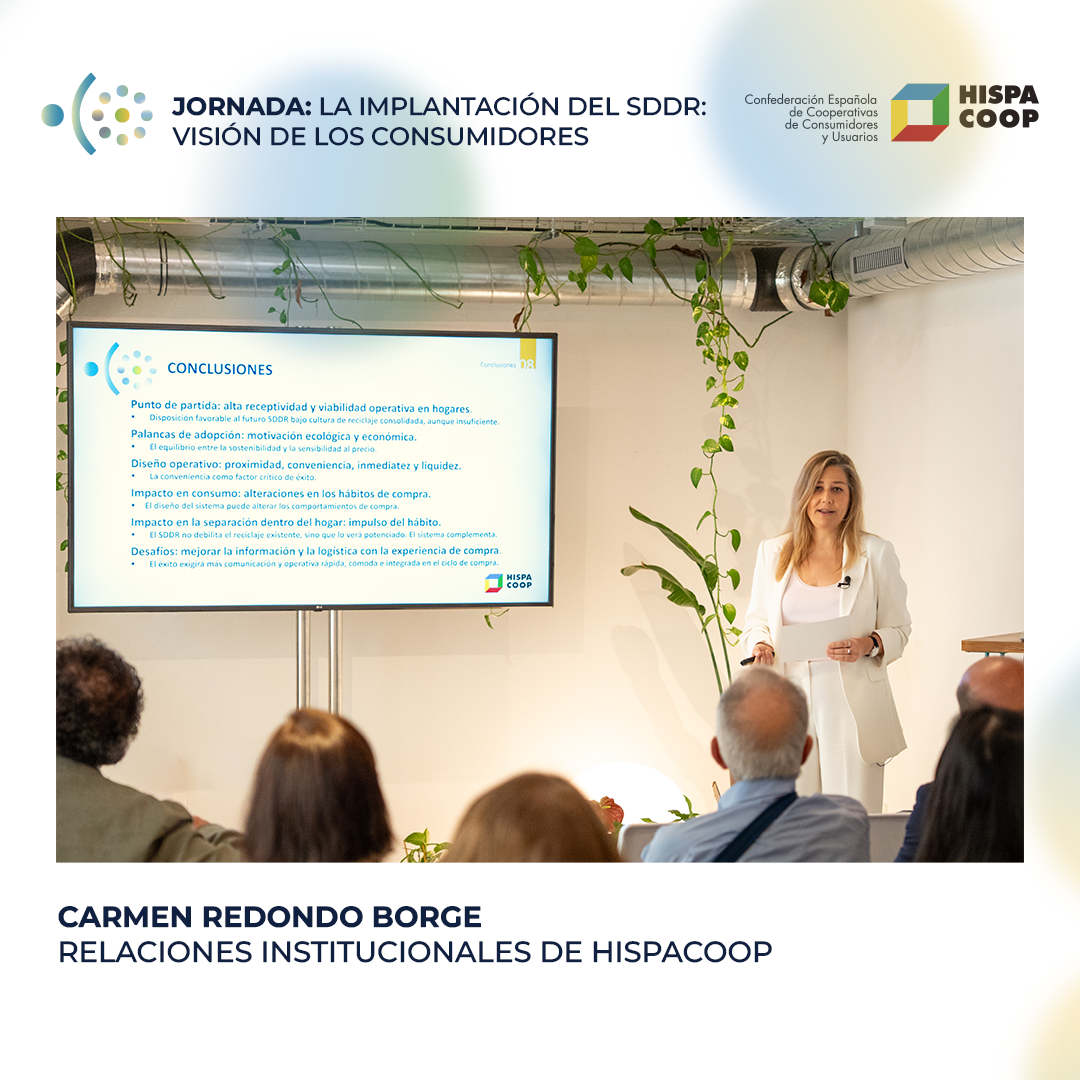 The survey also identifies convenience as a decisive factor for the scheme's success. Nearly nine in ten respondents (87%) would prefer to return containers at supermarkets or convenience stores, ideally during their regular shopping trips. Consumers also expressed a clear preference for immediate reimbursement methods, such as instant digital payments or cash refunds at checkout, reinforcing the importance of creating a system that is simple, accessible and seamlessly integrated into daily routines.
Importantly, the study dispels concerns that the DRS could undermine existing recycling practices. Only 2% of respondents indicated that they would reduce the separation of other recyclable waste once the new system is introduced, suggesting that the DRS can complement, rather than replace, current recycling habits.
While public support for the scheme is strong, the research highlights that information remains the main challenge. 77%of respondents reported having questions about how the DRS will operate, particularly regarding its practical functioning and logistics. Once the system is explained, however, support rises significantly, with 71% of consumers favouring its implementation compared with just 16% expressing opposition.
The findings also indicate that environmental and economic incentives go hand in hand. Respondents identified environmental protection as the main reason for participating in the scheme, closely followed by the opportunity to recover the deposit paid on beverage containers. According to HISPACOOP, these complementary motivations will be essential to ensuring high levels of consumer participation.
The study contributes valuable evidence to ongoing discussions on Deposit Return Schemes across Europe, where Member States are implementing measures to improve the collection of beverage packaging and meet the objectives of the Packaging and Packaging Waste Regulation (PPWR).
For Euro Coop, the research underlines the importance of ensuring that consumers remain at the heart of the transition towards more circular consumption models. As consumer cooperatives continue to promote sustainable consumption and responsible retail practices across Europe, understanding citizens' expectations will be key to designing systems that are both environmentally effective and convenient for everyday use.
Read the executive summary [ES]
Latest News

Euro Coop Co-Signs Joint Statement on Pragmatic Approach to Legacy Stocks
Euro Coop has joined other European business organisations in welcoming the common...

Made in EU: Cooperatives ensure value created in Europe, stays in Europe.
BRUSSELS - As the European Union advances the Industrial Accelerator Act and revises the...
Euro Coop Supports Cooperatives Europe Position on the Future EU Budget
Euro Coop has joined a new position paper developed by Cooperatives Europe setting out the...
Latest Stories

#CoopsDay 2026: Consumer Co-operatives Contributing to a More Peaceful World
Today, co-operatives around the world celebrate the International Day of Co-operatives (...
2025 Annual Report
Euro Coop is pleased to publish its Annual Report 2025, which was presented to and adopted by...
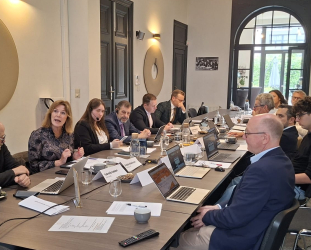
Euro Coop Elects New Board for 2026–2030 and Welcomes Debbie Robinson as President
Today, Euro Coop's General Assembly elected the organisation's new Board for the...